The most efficient window is usually the one that combines the right frame, glass package, and climate-specific performance ratings.
If you want the short answer, the most energy-efficient window type for most homes is a well-built double- or triple-pane replacement window with low-emissivity glass, gas fills, tight weatherstripping, and a thermally efficient frame. In many cases, casement windows also outperform sliding or single-hung styles because they close more tightly and reduce air leakage. But there is not one universal winner for every house. The best choice depends on your climate, your existing openings, and whether you need to prioritize insulation, solar heat control, or both.
That is why window efficiency should never be judged by style alone. The frame material, the glass package, and the window’s performance ratings matter more than the word “double-hung” or “picture window” on a brochure. Programs like ENERGY STAR residential windows, doors, and skylights guidance emphasize the same point: look at measurable performance, not marketing claims.
What actually makes a window energy efficient?
An energy-efficient window slows heat transfer and limits unwanted air movement. In winter, it helps keep heated air indoors. In summer, it helps keep solar heat outside and reduces the burden on your cooling system. According to the National Fenestration Rating Council, window labels can show key numbers that make comparison easier across brands and products.
- U-factor: Measures how well a window prevents heat from escaping. Lower is better.
- Solar Heat Gain Coefficient (SHGC): Measures how much solar radiation gets through the glass. Lower is usually better in hot climates, while a slightly higher SHGC may help in colder climates.
- Air leakage: Shows how much air passes through joints in the window assembly. Lower is better.
- Visible transmittance: Indicates how much natural light enters the home.
These numbers matter because a window can look premium and still underperform in the wrong climate. A homeowner in Arizona may need stronger solar heat control than a homeowner in Michigan. The right window is the one that balances insulation, sunlight, comfort, and budget for your location.
Which window style is usually the most efficient?
Casement windows often lead for efficiency
If you are comparing operable window styles, casement windows are often among the most energy efficient. They use a crank mechanism and close by pressing the sash tightly against the frame. That design can reduce drafts better than styles that slide up, down, or sideways. When closed properly, a casement window tends to create a tighter seal, which is a major advantage in both hot and cold climates.
Fixed picture windows are highly efficient too
A fixed picture window is also extremely efficient because it does not open. No moving sash means fewer places for air leakage. If pure performance is the goal, a non-operable unit usually beats an operable one. The tradeoff is obvious: you lose ventilation. Many homeowners solve that by pairing a large picture window with smaller operable windows nearby.
Double-hung and sliding windows can still perform well
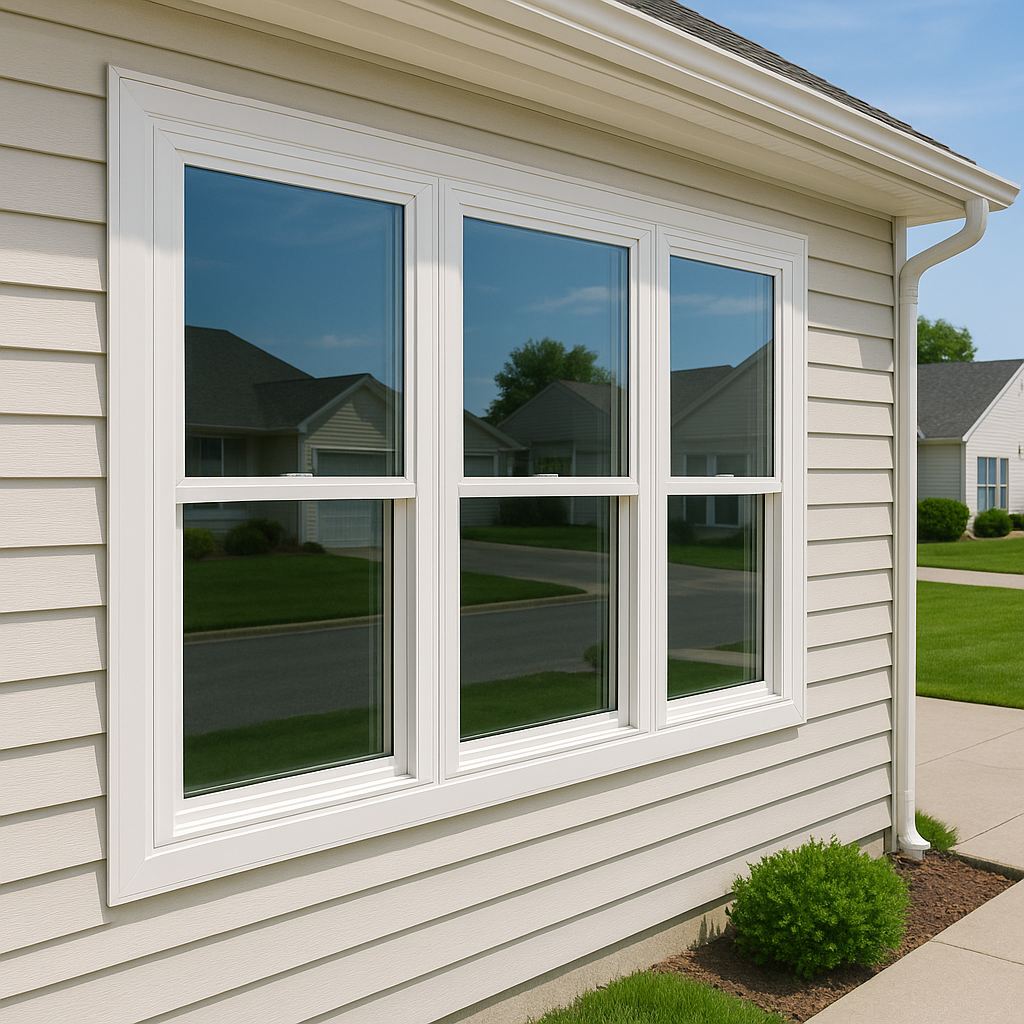
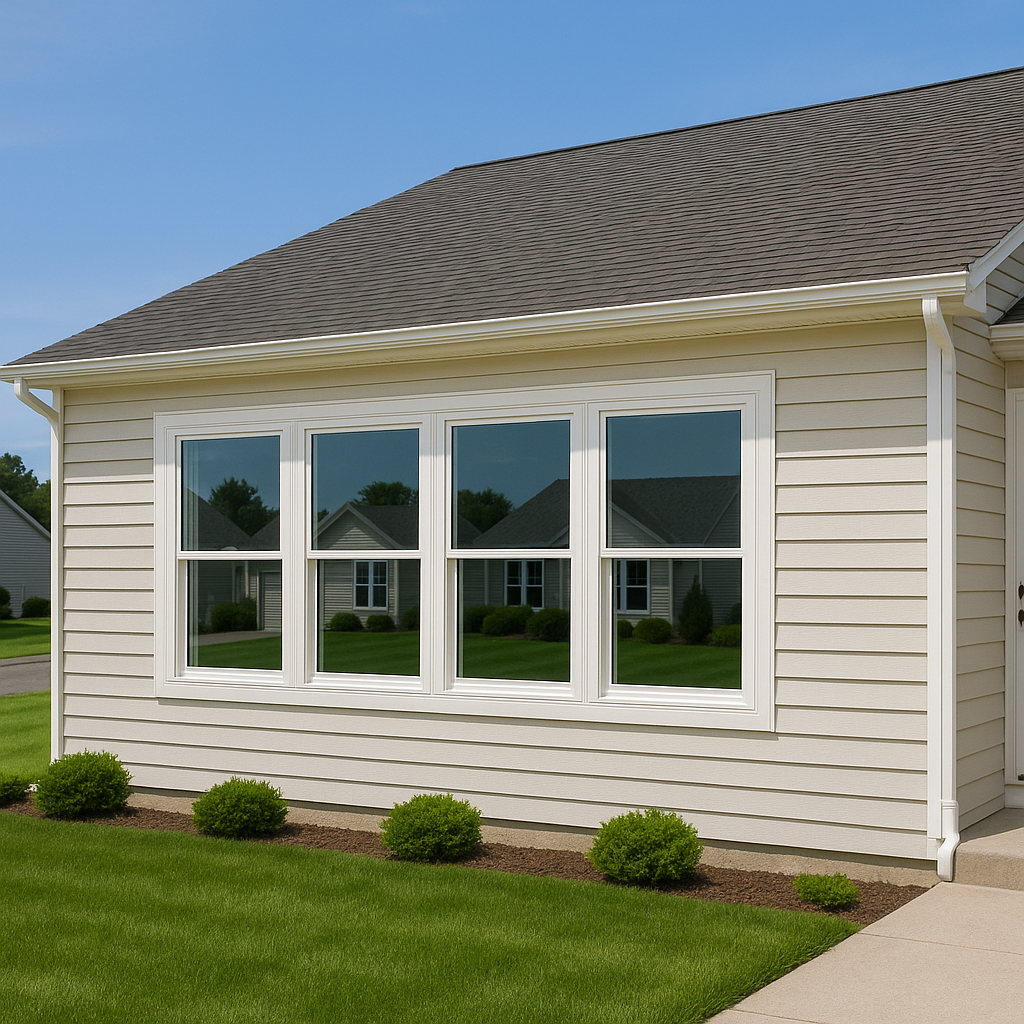
Double-hung and sliding windows are popular because they are familiar, practical, and often cost less. They can still be energy efficient when built well, but their design usually creates more potential leakage points than a casement or fixed window. That does not mean they are a bad choice. It just means you should be more selective about weatherstripping, installation quality, and performance ratings.
Frame material matters almost as much as the style
Frame material has a major impact on insulation and long-term performance. A highly efficient glass package can be undercut by a poor frame, so it helps to compare the full assembly rather than focusing on the pane count alone.
- Vinyl: Often one of the best values for efficiency and price. It insulates well, resists moisture, and is common in replacement projects.
- Fiberglass: Usually stronger and more dimensionally stable than vinyl. It can deliver excellent energy performance and durability, though it often costs more.
- Wood: Naturally insulating and attractive, but it requires more maintenance. Efficiency can be strong if the window is well made and kept in good condition.
- Aluminum: Durable, but usually less efficient unless it includes a thermal break. It is generally less desirable when insulation is the priority.
For many homeowners, vinyl and fiberglass are the sweet spot. They typically offer the best mix of efficiency, maintenance, and cost control. Wood still makes sense in some homes, especially where appearance matters, but it is not always the most practical replacement choice.
The glass package is where a lot of the savings come from
When people ask which window type is most energy efficient, they often mean the glass system rather than the operating style. That is where the biggest performance gains usually show up. Modern efficient windows commonly include double-pane or triple-pane insulated glass, low-E coatings, and argon or krypton gas fills between panes. The U.S. Department of Energy’s window, door, and skylight efficiency guide explains how these upgrades help control heat loss and solar gain.
For many homes, double-pane low-E glass is the practical standard. It offers a meaningful jump from older single-pane windows without the higher cost of triple-pane units. Triple-pane windows can improve insulation further, especially in colder regions or noisy areas, but they are not always the best return on investment in mild climates. The decision should line up with local weather, energy prices, and how long you expect to stay in the home.
Low-E coatings are especially important because they reflect heat while still allowing visible light through. In hot climates, that can help keep interiors cooler. In colder climates, the right coating can help retain indoor warmth. This is another reason there is no single best window type without context. The best-performing package in Florida is not always the same one you would choose in Minnesota.
How to choose the best option for your home
A smart replacement decision starts with your house, not a generic ranking list. You want a window that performs well in real conditions, fits the opening properly, and is installed correctly. Even the most efficient product on paper can disappoint if the fit is poor or the installation leaves air gaps.
- Check your climate zone and compare ENERGY STAR recommendations for your region.
- Review NFRC label values instead of relying only on brand advertising.
- Compare style, frame, and glass package together, not as separate decisions.
- Ask about air leakage ratings and spacer systems, not just pane count.
- Prioritize installation quality, flashing, and sealing around the frame.
In practical terms, a common best-fit answer looks like this: choose a casement or fixed window where possible, pair it with a vinyl or fiberglass frame, and select a climate-appropriate low-E double- or triple-pane glass package. That combination often delivers the strongest real-world efficiency without chasing unnecessary upgrades.
So, which window type is most energy efficient?
For most homeowners, the most energy-efficient operable window is usually a high-quality casement window with low-E double- or triple-pane glass and an insulated vinyl or fiberglass frame. If ventilation is not needed, a fixed picture window can be even more efficient because it has fewer paths for air leakage. But the bigger truth is that energy performance comes from the full system: style, frame, glazing, ratings, and installation quality all work together.
If you are replacing old, drafty windows, focus on verified performance values and climate fit rather than chasing a one-size-fits-all answer. A window that seals tightly, matches your region, and is installed well will usually do more for comfort and utility bills than a trendy product with vague efficiency claims.
Ready to compare efficient window options for your home?
If you want help narrowing down the right frame, style, and glass package, a professional estimate can show what makes sense for your climate, budget, and long-term savings goals.
Get Your Free Window Quote