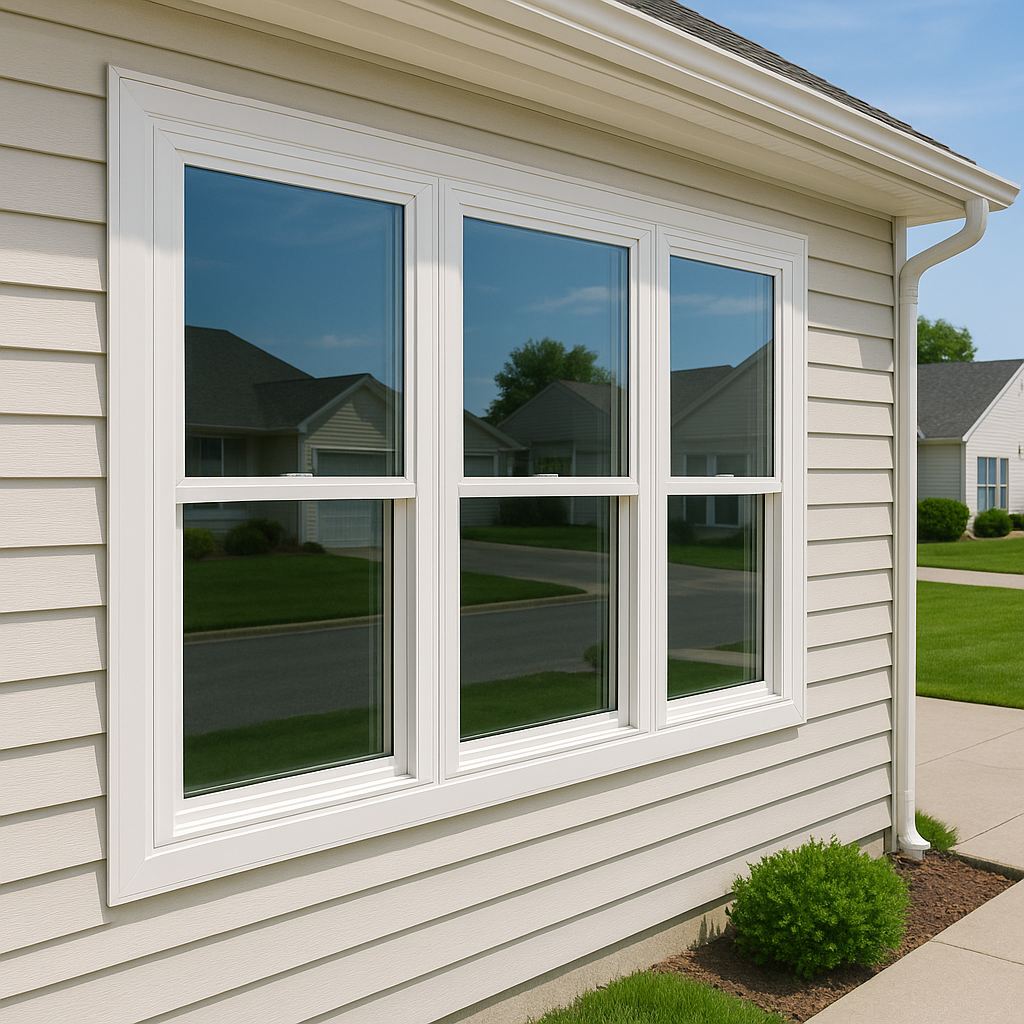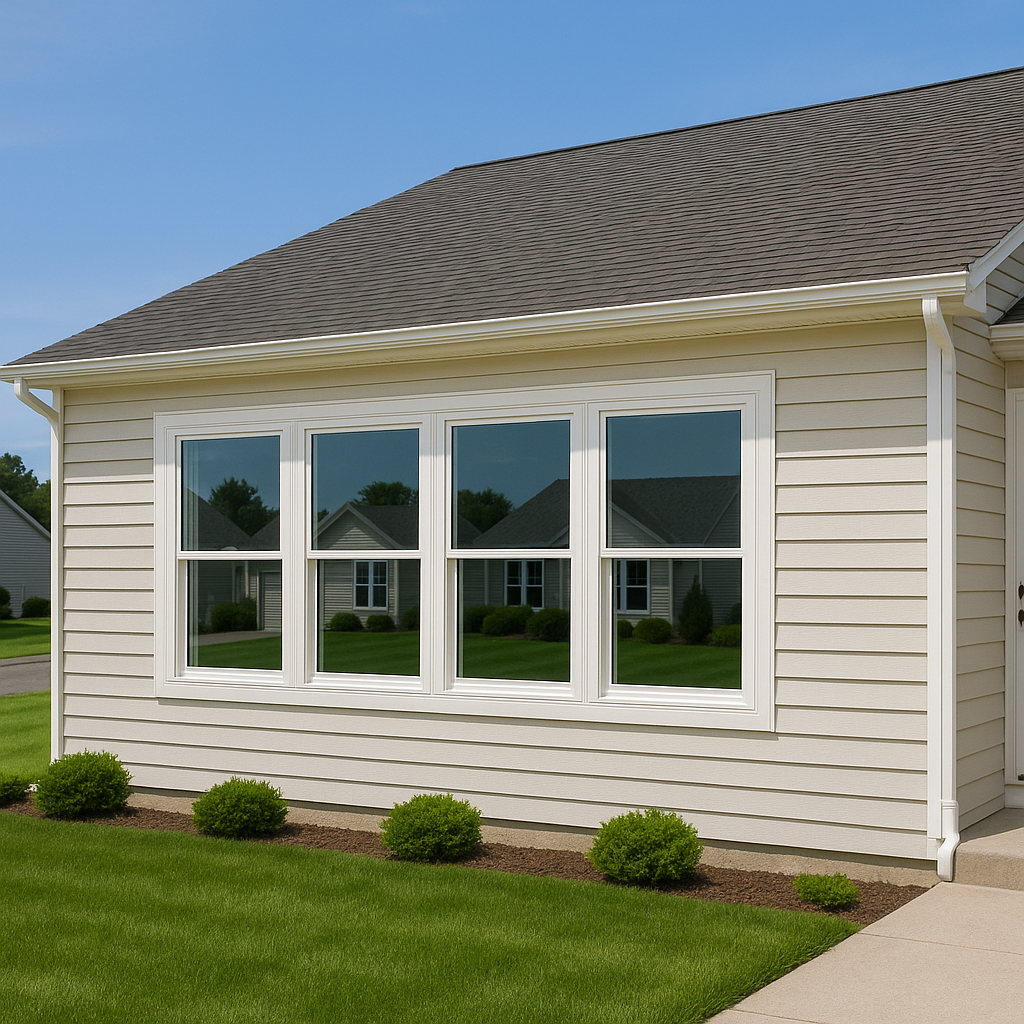
New windows can help lower energy bills, but the size of the savings depends on your current windows, your climate, and the products you choose.
Yes, new windows can help lower energy bills, especially if your current windows are old, drafty, single-pane, or no longer sealing properly. Windows play a major role in how much heat enters and escapes a home. When they underperform, your heating and cooling system has to work harder to keep indoor temperatures stable. Replacing poor-performing windows with more efficient ones can reduce that energy loss and improve comfort at the same time.
That said, it is important to keep expectations realistic. New windows do not magically slash utility bills in every situation. The amount you save depends on how inefficient the old windows were, how well the new ones are installed, and how much of your home’s energy loss is actually tied to windows instead of insulation, air leaks, or HVAC issues.
So the honest answer is yes, they can help, but the value is usually a mix of lower energy waste, better comfort, and better overall home performance, not just a simple monthly dollar reduction.
When new windows are most likely to reduce costs
New windows are most likely to help when the existing windows are outdated or failing. Single-pane glass, broken seals, warped frames, missing weatherstripping, and windows that no longer close tightly can all lead to measurable inefficiency. In these cases, replacement can improve thermal performance and reduce wasted energy.
The strongest savings usually show up in homes where the old windows are a real problem, not just cosmetically old. If your current windows are relatively modern and still performing well, the energy savings from replacement may be more modest.
- Older single-pane windows often lose more energy than newer insulated models.
- Drafty frames can raise heating and cooling demand.
- Failed seals reduce insulating performance.
- Poor installation can undermine even a high-quality new window.
The Department of Energy resource on whether to update or replace windows for better efficiency and comfort is especially useful for understanding when full replacement makes more sense than smaller upgrades.
Energy savings are not the only benefit
Many homeowners focus only on the utility bill question, but lower energy use is only one part of the value. New windows can also reduce drafts, make rooms feel more comfortable, improve sound control, and help balance indoor temperatures more evenly throughout the house.
That matters because comfort problems often show up before homeowners can clearly measure savings. A room that is always too hot in summer or too cold in winter may become more livable with better windows, even if the monthly bill change is moderate rather than dramatic.
In other words, the payoff is often both financial and practical. Lower energy waste matters, but so does how the home feels day to day.
What affects how much you may save
Not every homeowner will see the same results from window replacement. Climate matters. Homes in places with very hot summers or very cold winters may see more benefit than homes in mild regions. The orientation of the home matters too, because windows exposed to strong sun or seasonal wind loads may have a bigger impact on energy performance.
The type of replacement window also matters. Glass coatings, frame material, insulation quality, and air sealing all play a role. Efficient windows work best when they are part of a larger strategy that includes proper installation and attention to the rest of the home envelope.
The Department of Energy guidance on energy-efficient window coverings and related window performance strategies helps show that the best results often come from combining good windows with broader efficiency improvements.
When replacement may not be the biggest money saver
There are situations where new windows help, but not as much as a homeowner expects. If the biggest energy losses in the home are actually coming from attic insulation gaps, duct leakage, or major air sealing problems elsewhere, replacing windows alone may not deliver the strongest return.
That does not mean window replacement is a bad decision. It just means it should be evaluated in context. A home with major envelope issues may benefit more from a broader efficiency plan than from focusing on windows alone.
For some homeowners, repairing minor window issues or improving surrounding seals may be a sensible short-term step while planning larger improvements later.
Tax credits and financial considerations
Cost is a real part of the decision. New windows can improve efficiency, but replacement is still a significant investment. That is why it helps to look at the full picture, including available incentives. Depending on the products installed and current rules, some homeowners may qualify for energy-related tax benefits.
The Internal Revenue Service overview of the energy efficient home improvement credit for qualifying upgrades is worth reviewing if you want to understand whether eligible windows may help offset part of the project cost.
Even with credits, window replacement is usually not just a “bill savings” decision. It is often a combination of efficiency, comfort, appearance, and long-term home value.
Bottom line
New windows can help lower energy bills, especially when the existing windows are old, drafty, poorly sealed, or no longer insulating the home effectively. The biggest benefits usually show up in homes with obvious window-related energy loss, but even when the monthly savings are moderate, homeowners often gain comfort, quieter rooms, and more consistent indoor temperatures.
The best way to look at window replacement is as a home performance upgrade, not just a utility bill gamble. If your current windows are underperforming, new ones can absolutely help. The key is choosing quality products, making sure they are installed well, and understanding how windows fit into the larger energy picture of your home.
Want to know if new windows could help your home?
If you are weighing comfort, cost, and energy savings, we can help you compare your current windows and figure out whether replacement makes sense for your situation.
Explore Your Window Options