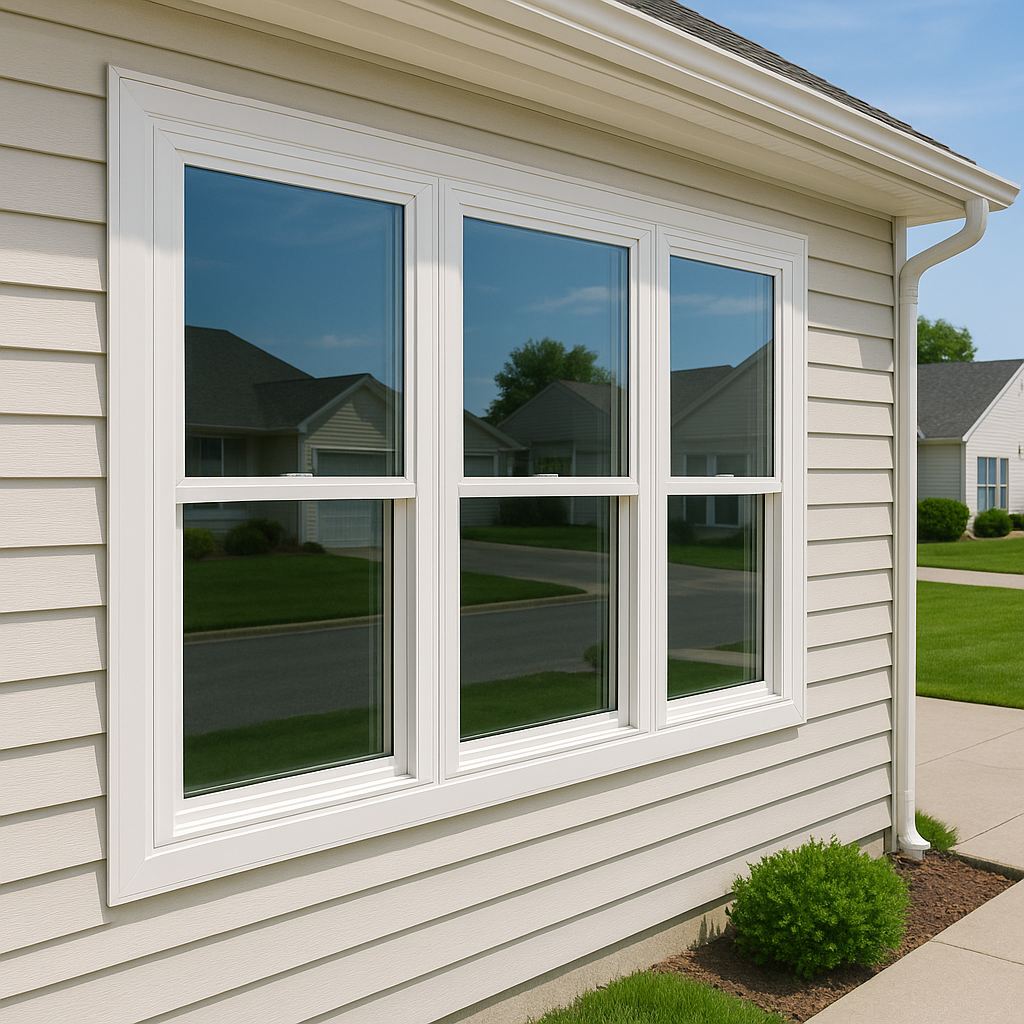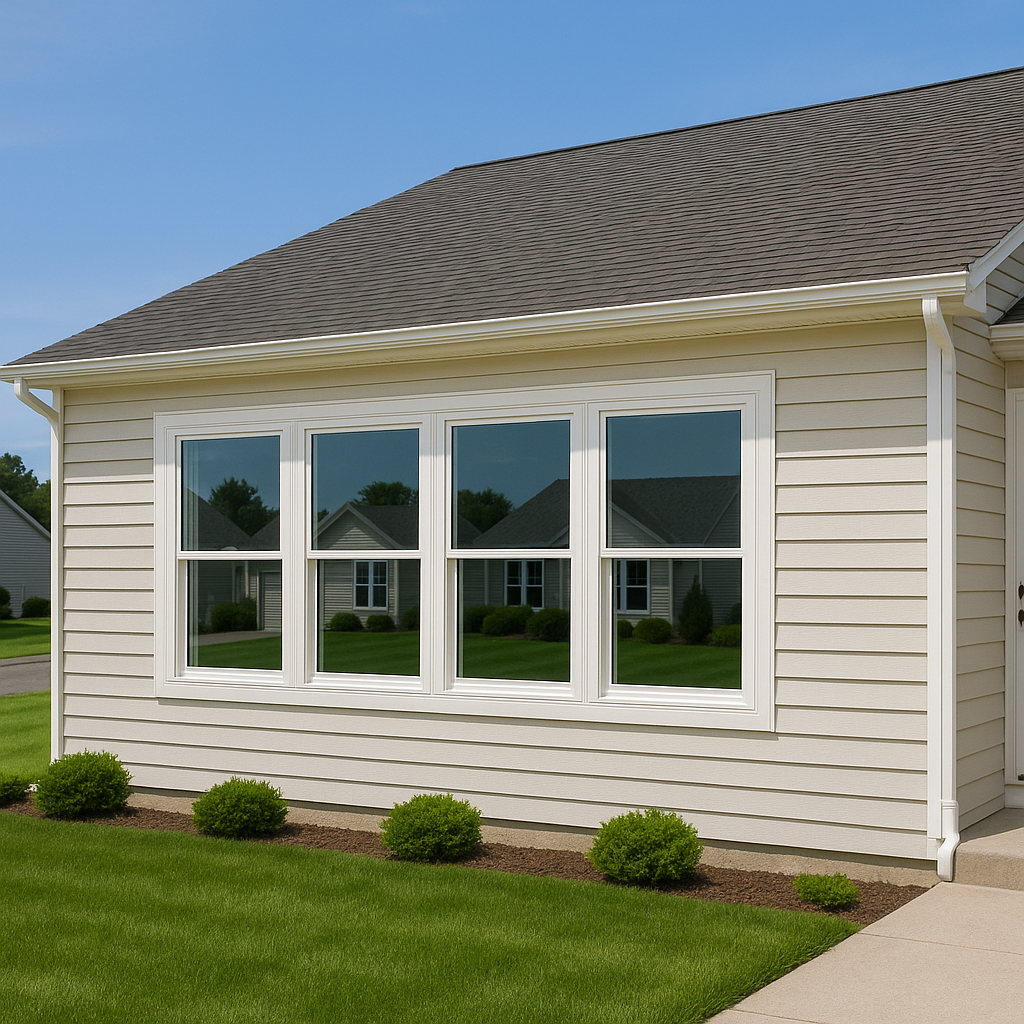
A realistic look at the full timeline from consultation to final install, and what can speed it up or slow it down
The Quick Answer: Installation Day Is Faster Than You Think
If you’re picturing weeks of construction noise and plastic sheeting over every opening in your house, the reality is a lot less dramatic. The physical installation of a single replacement window typically takes about thirty to sixty minutes in the hands of an experienced crew. For a full-house project of ten to fifteen windows, most professional teams can finish in one to two days.
The part that takes longer is everything that happens before the installers show up. Between the initial consultation, measurements, material selection, manufacturing lead times, and scheduling, the total timeline from first phone call to finished project usually runs somewhere between four and eight weeks. Understanding each phase helps you plan around your schedule and avoid surprises.
Phase One: Consultation and Measurements
The process starts with an in-home consultation where a contractor assesses your existing windows, discusses your goals, and takes precise measurements of every opening. This visit usually takes one to two hours depending on the number of windows involved.
Accurate measurements are critical because replacement windows are manufactured to fit your specific openings. A fraction of an inch off can mean a poor seal, air leaks, or a window that doesn’t fit the frame. Reputable installers measure twice and confirm every dimension before placing an order. This step typically happens within the first week after you make contact.
Phase Two: Choosing Materials and Features
Once measurements are complete, you’ll need to decide on the type of window, the frame material, the glass package, and any optional features. This is where many homeowners slow the timeline down without realizing it. Taking a few extra weeks to decide between vinyl and fiberglass, or debating double-hung versus casement, pushes everything else back accordingly.
The U.S. Department of Energy recommends looking for both the ENERGY STAR label and the National Fenestration Rating Council label when selecting new windows. The NFRC label provides standardized ratings for thermal performance, solar heat gain, and air leakage, making it easier to compare products objectively rather than relying on marketing claims alone.
Having a clear sense of your priorities before the consultation can save a week or more. If you already know you want vinyl frames with low-E glass in a double-hung style, your contractor can move straight to ordering.
Phase Three: Manufacturing and Lead Times
This phase accounts for the biggest chunk of the overall timeline. Standard replacement windows in common sizes typically ship in four to six weeks. Custom windows, specialty shapes like arches or bays, or windows with specific color finishes can take eight to twelve weeks depending on the manufacturer.
Lead times also fluctuate with demand. Spring and early summer are peak season for window replacement, which means manufacturers are running at higher volume and deliveries can take longer. If your project is flexible on timing, scheduling during fall or winter can sometimes shave a couple of weeks off the wait.
Phase Four: Installation Day
Once the windows arrive, installation gets scheduled. For a retrofit installation where the new window fits into the existing frame, each unit typically takes thirty to forty-five minutes. A full-frame installation where the entire frame is removed takes closer to sixty to ninety minutes per window because of the additional carpentry and sealing work.
A typical whole-house project of ten to fifteen windows can be completed in a single day by a crew of two to three installers. Larger homes or projects involving hard-to-reach upper-story openings may extend to two days. Each window follows a consistent sequence: remove the old unit, inspect and prep the opening, set the new window, insulate the gaps, seal the exterior, and install interior trim.
What Can Extend the Timeline
Several factors can push your project beyond the typical four-to-eight-week range:
- Custom window shapes or non-standard sizes that require longer manufacturing lead times
- Rotted or damaged frames discovered during installation that need structural repair before the new window can be set
- Permit requirements in your municipality that add processing time before work can begin
- Weather delays, particularly in regions with unpredictable spring storms or extreme cold
- Scheduling backlogs during peak season when installers are booked weeks in advance
Frame damage is the most common surprise. If an installer removes your old window and finds rot in the rough opening, that repair has to happen before the new unit goes in. It can add time and cost, but a good contractor will walk you through the options quickly.
What You Can Do to Keep Things on Track
Homeowners who are prepared on their end tend to finish on schedule with fewer complications:
- Make material and style decisions during the initial consultation rather than deliberating for weeks afterward
- Clear furniture, curtains, and wall hangings away from window areas before installation day
- Confirm your contractor’s timeline in writing, including the expected order date and scheduled install date
- Ask about potential frame repair scenarios upfront so you know the cost and time implications before they arise
Good communication with your installer is the single biggest factor in staying on track. A contractor who keeps you updated on manufacturing status and confirms your install date a few days in advance is one worth working with.
Energy Savings Start Immediately After Install
One benefit that kicks in right away is improved energy performance. According to ENERGY STAR, replacing old single-pane windows with certified models can lower household energy bills by an average of up to thirteen percent. Even upgrading from older double-pane windows to current low-E options delivers noticeable improvements in comfort and efficiency.
The Department of Energy’s guide to window performance ratings explains that the NFRC label on certified products provides standardized measurements for heat transfer, solar gain, and air leakage, making it straightforward to verify that the windows you’re installing will perform as advertised in your climate zone.
Beyond energy savings, new windows reduce outside noise, eliminate drafts, and improve the overall look of the home. Most homeowners notice the difference in comfort within the first day.
A Realistic Timeline Summary
From first call to finished project, a typical window replacement timeline looks like this: consultation and measurements happen in week one, material selection and ordering wrap up by week two, manufacturing and shipping run from weeks three through six, and installation is completed in a single day during week seven or eight. Custom or large-scale projects can extend to ten or twelve weeks, but installation day itself rarely takes more than two days even for the biggest residential jobs.
The wait for your windows to be built is the longest part. Once they arrive, the actual disruption to your daily life is minimal.
Ready to Find Out How Quickly Your Windows Can Be Replaced?
Get a free consultation with accurate measurements, clear timelines, and a no-pressure quote from experienced window professionals.
Get Your Free Quote