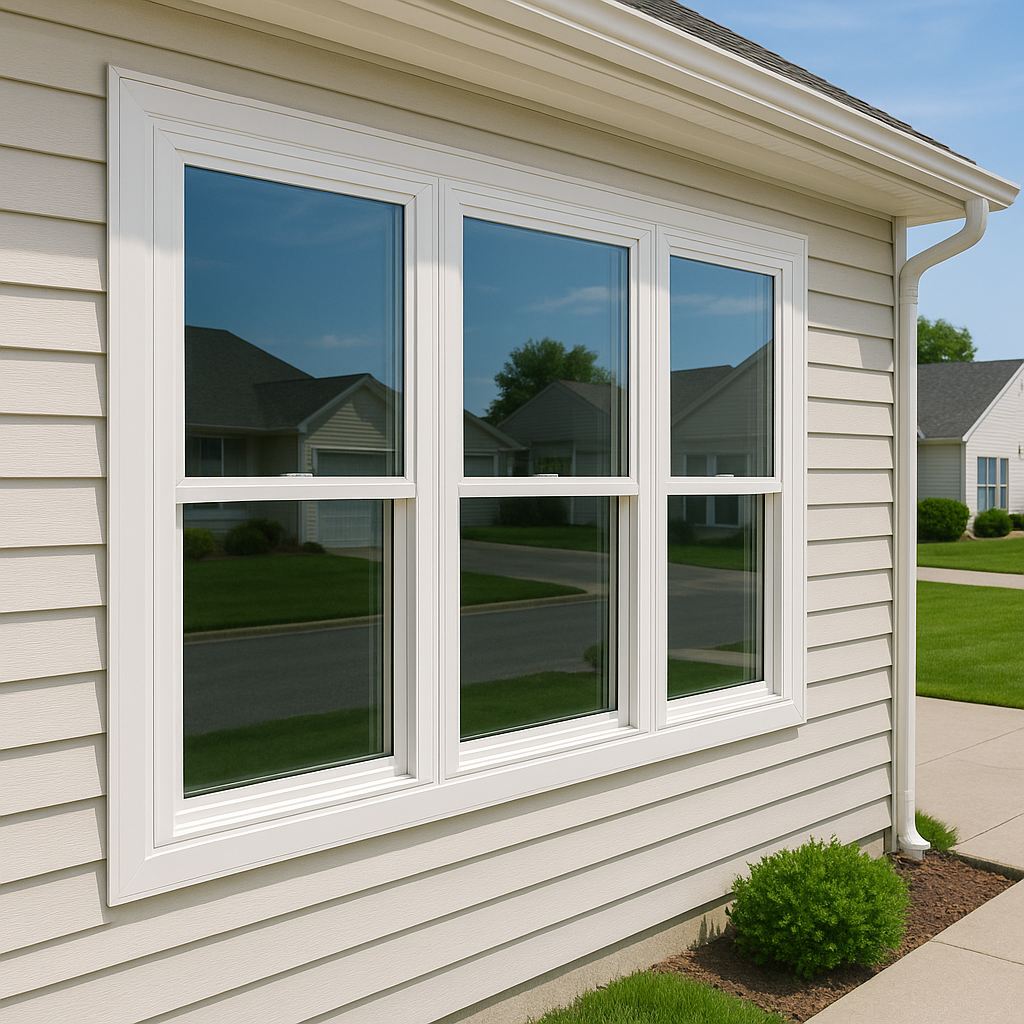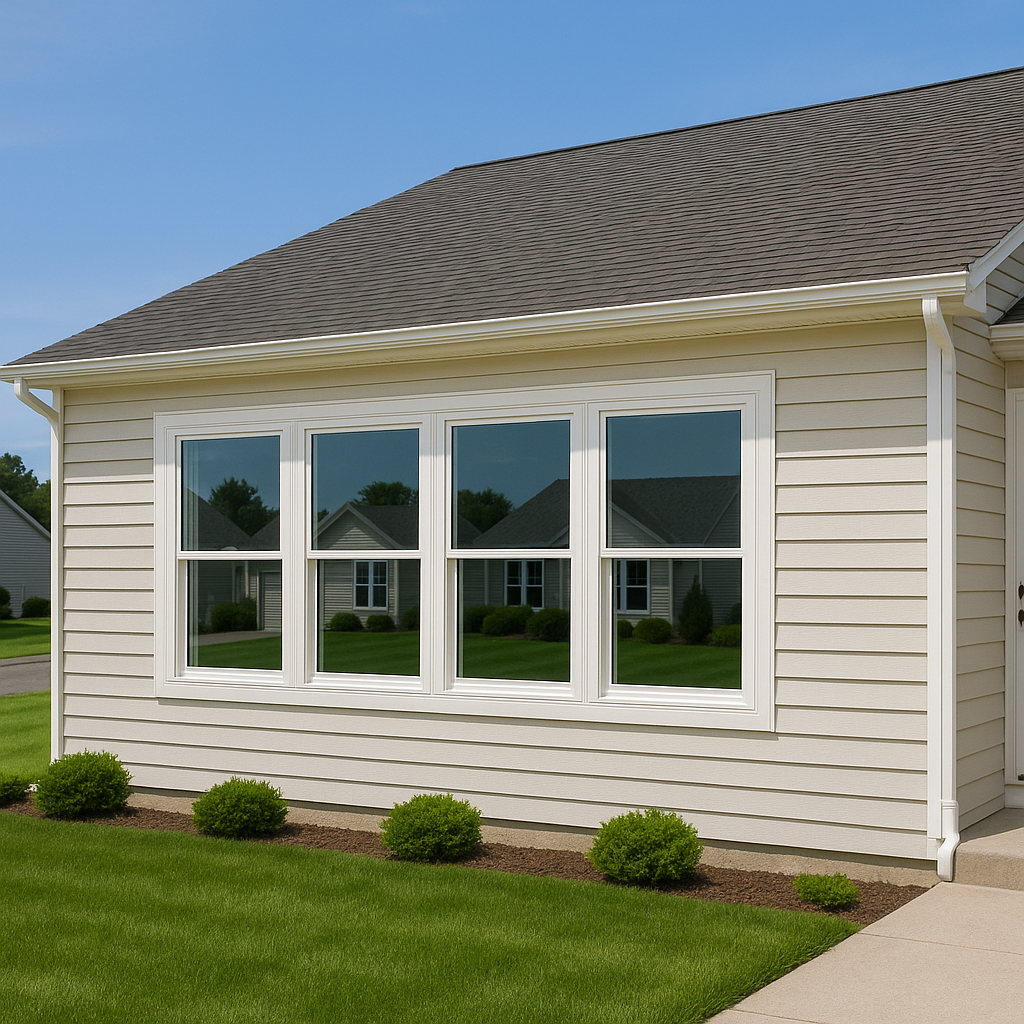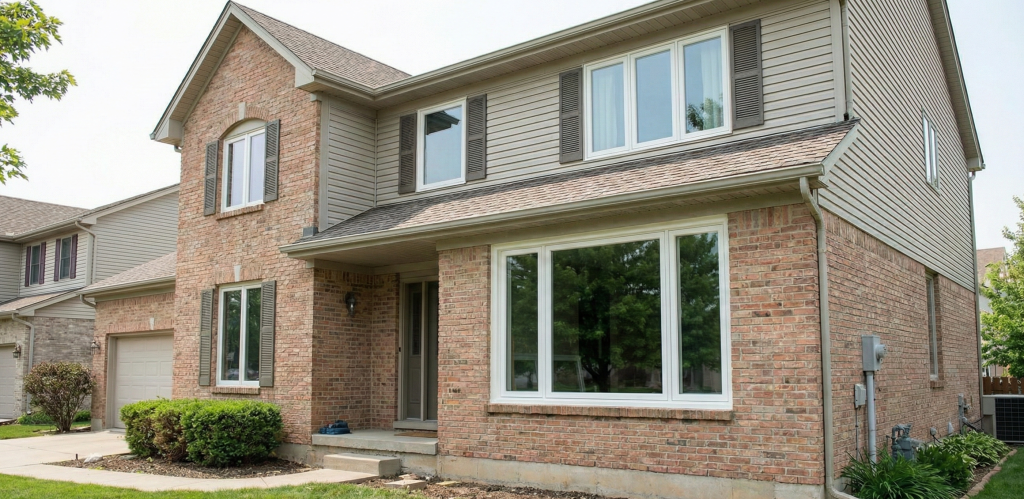
A clear, numbers based look at real world energy savings, tax incentives, and added home value from new windows.
If your home has old, drafty, or fogged windows, you probably feel it in two places. You feel it in the room when cold air or summer heat creeps in. You feel it again when you open your energy bill. That is when most homeowners ask the big question: how much money do you actually save by replacing windows.
There is a lot of marketing noise around this topic. Some people promise that windows will pay for themselves in no time. Others say the savings are not worth it at all. The truth lives in between. New windows can save you real money, but how much depends on your home, your climate, and your energy usage.
In this guide we will break savings into three main areas:
- Lower energy bills every month
- Tax credits and incentives when available
- Increased home value when you decide to sell
🌡️ Why Windows Matter So Much For Energy Bills
Windows are not just glass holes in the wall. They are a major part of your home’s energy story. According to the U.S. Department of Energy, heat gain and heat loss through windows are responsible for about 25 to 30 percent of residential heating and cooling energy use. Source: U.S. Department of Energy
That means if you spend 2,000 dollars a year on heating and cooling, as much as 500 to 600 dollars of that may be tied to how well or how poorly your windows perform. When you upgrade from leaky, single pane or older double pane windows to modern efficient units, you are targeting a big piece of the energy waste.
💰 How Much Can You Save On Energy Bills Each Year
Real dollar savings vary by house, climate, and the windows you choose. Still, there are solid national estimates you can use as a guide.
This Old House reports that ENERGY STAR certified windows can save homeowners between 101 dollars and 583 dollars per year in energy costs when replacing single pane windows, plus they may qualify for federal tax credits of up to 30 percent of project costs, capped at 600 dollars per year. Source: This Old House – Energy Efficient Windows Cost
To put that into a simple example, imagine:
- Your current energy bill averages about 200 dollars per month, or 2,400 dollars a year.
- You replace old single pane windows with efficient double pane, low E windows.
- Your savings land in the middle of the range, say around 300 dollars per year.
At that pace, you have reduced your annual heating and cooling costs by more than 12 percent. Over ten years, that is roughly 3,000 dollars in energy savings, not even counting any future rate increases from your utility.
In colder or hotter climates, where systems work harder, the percentage savings can be even higher because windows play a larger role in overall energy loss or heat gain.
📈 How New Windows Affect Your Home’s Value
Savings are not just about monthly bills. Part of the return on new windows shows up in your home’s resale value.
A window value analysis that draws on the Remodeling 2024 Cost vs Value report notes that replacing vinyl windows adds about 14,270 dollars in value to a home on a typical project, which is roughly 67 percent of the project cost. Wood windows add about 16,222 dollars of value, or around 63 percent of what you spend. Source: American Window Company – How Much Value Do New Windows Add
In plain language, that means if you spend 20,000 dollars on a window replacement project, you may see around 12,000 to 13,000 dollars of that reflected in your home’s value when you sell, depending on your market.
Combine that with years of lower utility bills and increased comfort, and you begin to see why windows are often described as a smart long term upgrade rather than just a cosmetic one.
🧮 Putting It Together – A Simple Payback Example
Let us run through a straightforward example for a typical home so you can see how the numbers might work in real life. These are example numbers, not a quote, but they help you think about the savings.
Example Home
- 15 old single pane or early double pane windows
- Energy bill of about 200 dollars per month, or 2,400 dollars per year
- Full replacement project cost of 18,000 dollars installed
Estimated Savings
- Annual energy savings of 300 dollars per year (inside the 101 to 583 dollar range above)
- Added resale value of roughly 12,000 dollars based on national averages
- Potential federal tax credit of up to 600 dollars if the windows qualify and the credit is in effect for the year you install
Over ten years, your total energy savings could be about 3,000 dollars. If you eventually sell, you might recoup around 12,000 dollars of the project cost at resale. Altogether, that is roughly 15,000 dollars in combined savings and value against an 18,000 dollar project.
That does not mean every project will play out exactly like this. It does show that even before you factor in comfort and noise reduction, a large portion of your investment can come back to you through lower bills and a stronger sale price.
🧩 Other Ways New Windows Quietly Save You Money
Energy and resale value are the obvious pieces, but they are not the only savings.
- Less strain on your HVAC system. When windows reduce drafts and heat gain, your furnace and air conditioner cycle less often, which can extend equipment life.
- Reduced maintenance. Modern frames and finishes often need little or no painting compared to older wood windows that require regular scraping and repainting.
- Protection for interiors. Many efficient windows block more ultraviolet light, which can help prevent fading of floors, furniture, and fabrics over time.
These are harder to put exact dollar signs on, but they still contribute to long term savings and fewer surprise expenses.
📌 Why Savings Vary From Home To Home
Two neighbors on the same street can install similar windows and still see different savings. That can feel confusing until you look at the variables:
- Climate. Colder and hotter regions typically see bigger energy savings than very mild climates.
- Current window condition. Replacing severely drafty single pane windows usually saves more than upgrading already decent double pane units.
- Energy prices. Higher local gas or electric rates make every saved kilowatt or therm worth more.
- Household habits. Thermostat settings, use of blinds and shades, and how often you open windows all influence actual savings.
Because of this, one of the best ways to get a realistic savings estimate is to pair national data with a professional evaluation and an energy usage review for your specific home.
📖 A Before And After Story In Dollars
Picture a homeowner with an older home and drafty windows. Winter means cold rooms and running space heaters. Summer means the air conditioner never gets a break. Their heating and cooling costs are around 250 dollars a month.
They decide to replace their windows with efficient double pane units. After the project, they notice that rooms feel more even in temperature. There are no more cold drafts near the couch. The AC runs less on hot afternoons.
Over the first year they track bills carefully and see that their average monthly energy cost dropped by about 30 dollars. That is 360 dollars in the first year. At the same time, their home looks sharper from the street and feels quieter inside. When they list the home a few years later, buyers comment on the new windows as a selling point and their agent uses it to support a higher asking price.
The windows did not pay for themselves overnight, but they created steady savings and helped the homeowner keep more money in their pocket over time.
Want To Know How Much New Windows Would Save In Your Home?
National averages are a helpful starting point, but the best way to answer “how much money will I save by replacing my windows” is to look at your specific home, your current bills, and your window options.
A professional window replacement consultation can compare your existing windows to modern energy efficient models, estimate realistic bill savings, and show you how that stacks up against project cost and potential resale value.
Schedule Your Window Savings Evaluation