What the data shows about window replacement ROI and when the upgrade makes the most financial sense before selling
Yes, and the Return Is Stronger Than Most Interior Upgrades
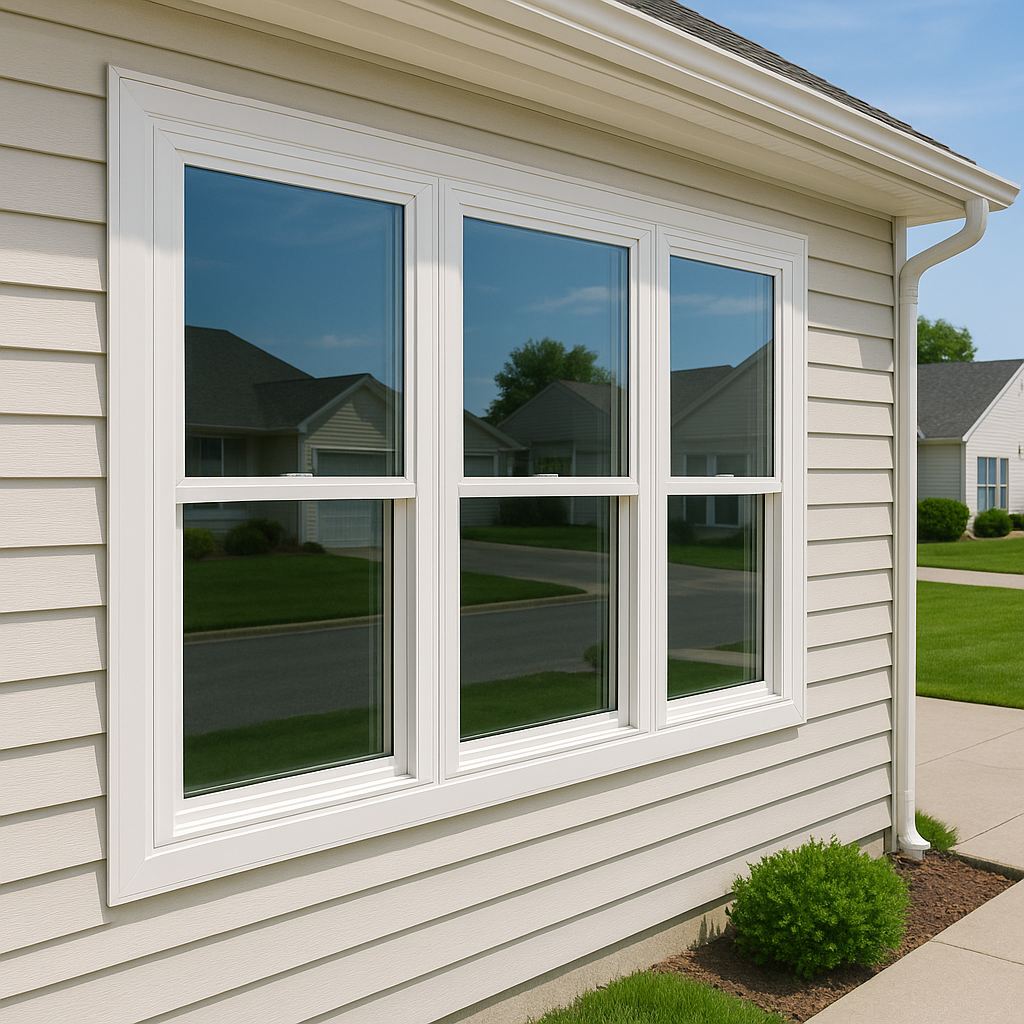
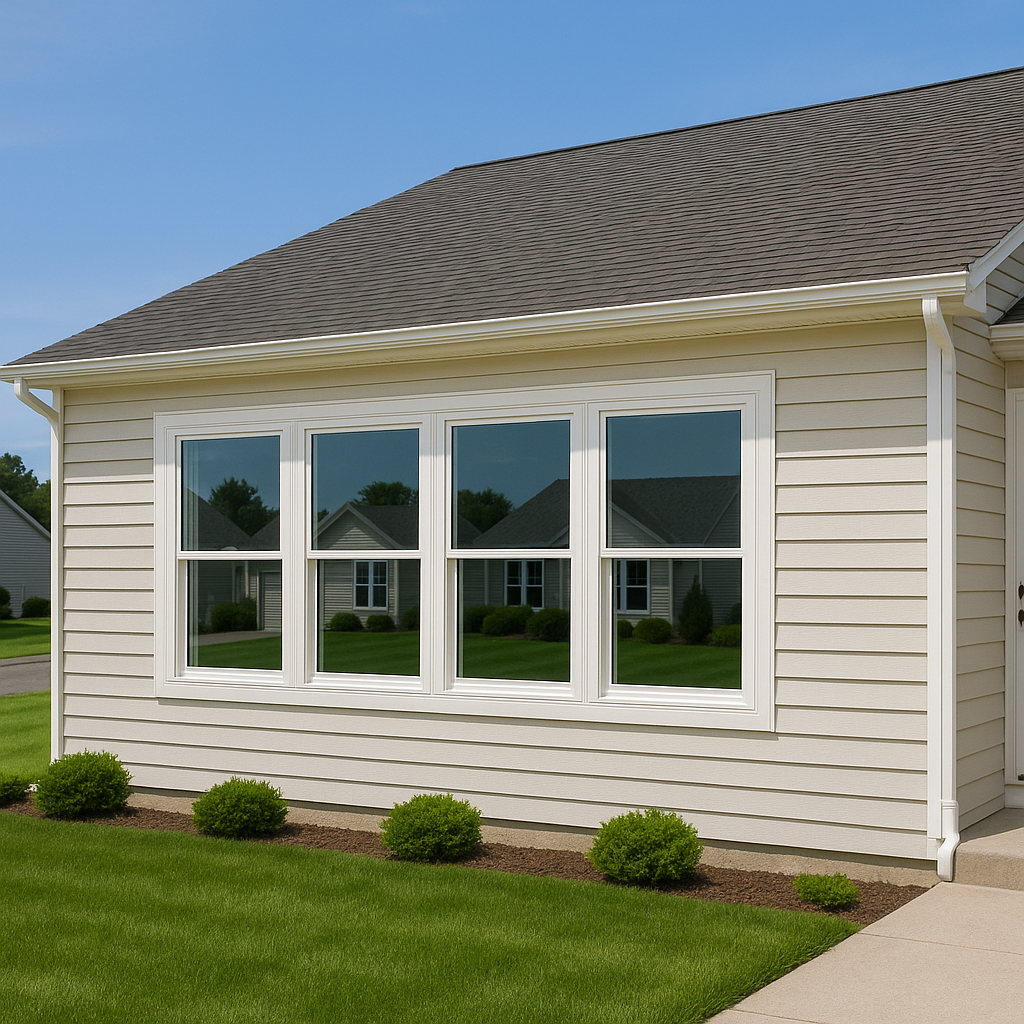
New windows consistently rank among the most valuable exterior improvements a homeowner can make before selling. Industry data from the 2025 Cost vs. Value Report shows that vinyl window replacement recoups between sixty-seven and seventy-six percent of its cost at resale, depending on the project scope and local market conditions. That puts window replacement ahead of many popular interior renovations, including major kitchen and bathroom remodels, in terms of percentage return.
You won’t get back every dollar you spend. Few home improvements deliver a full one hundred percent return. But the combination of added resale value, lower energy bills while you’re still living in the home, and a stronger first impression for buyers makes window replacement one of the most balanced home improvement investments available.
What the Numbers Look Like in Practice
On a typical whole-house vinyl window replacement project costing around fifteen thousand to twenty-one thousand dollars, homeowners can expect to recover roughly ten thousand to fifteen thousand dollars in added resale value at closing. The remaining cost is offset by the energy savings and comfort improvements they enjoyed during the years between the installation and the sale.
Wood window replacements carry a higher upfront cost and return a slightly lower percentage, typically around sixty to sixty-five percent. However, wood windows can add more curb appeal in neighborhoods with traditional architecture where buyers expect and value natural materials. The best material choice for resale depends on what buyers in your specific market are looking for.
The return also varies by region. In markets where energy efficiency is a high priority for buyers, such as areas with extreme temperatures or rising utility costs, the premium buyers are willing to pay for new energy-efficient windows tends to be higher. In milder climates where energy costs are lower, the return leans toward the lower end of the range.
Why Buyers Care About Windows
Windows are one of the first things buyers notice, both from the street and from inside the home. Old, foggy, or visibly worn windows create an immediate impression of deferred maintenance. New windows signal that the home has been cared for and that the buyer won’t need to invest in a major upgrade after moving in.
Beyond aesthetics, buyers today are more energy-conscious than they were a decade ago. According to ENERGY STAR, replacing old single-pane windows with ENERGY STAR certified models can lower household energy bills by an average of twelve percent. Buyers recognize that lower energy costs are a tangible monthly savings, and homes with documented energy-efficient upgrades tend to sell faster and closer to asking price than comparable homes without them.
Home inspectors also pay close attention to windows during the buyer’s inspection. Failed seals, broken hardware, air leaks, and moisture damage around window frames all show up in the inspection report and give buyers leverage to negotiate the price down or request repairs. New windows eliminate those findings entirely and remove a common source of negotiation pressure from the transaction.
Energy Savings Add to the Total Return
The resale value increase is only part of the financial picture. Every month between the installation and the sale, your new windows are reducing your heating and cooling costs. Over several years, those savings can add thousands of dollars to the total return on your investment.
For a home spending two hundred dollars per month on heating and cooling, a twelve percent reduction translates to roughly two hundred eighty-eight dollars per year. Over five years before selling, that’s nearly fifteen hundred dollars in cumulative energy savings on top of the resale value recovery. The longer you live in the home after replacing the windows, the more of the total investment you recoup through ongoing savings before the resale value even enters the picture.
The Database of State Incentives for Renewables and Efficiency is also worth checking before you buy. Some states and utilities offer rebates or tax incentives for installing energy-efficient windows, which can reduce your upfront cost and improve your overall return. These programs change frequently, so searching your state before committing to a project can uncover savings you didn’t know were available.
When Replacing Windows Before Selling Makes Sense
Window replacement delivers the strongest return when specific conditions are present:
- Your current windows are visibly failing with fogged glass, broken seals, cracked frames, or hardware that doesn’t operate properly
- The windows are single-pane or early double-pane models from the 1990s or earlier that are noticeably drafty
- The home’s exterior appearance would benefit significantly from the visual upgrade that new windows provide
- Your local market is competitive and buyers are choosing between well-maintained homes where updated windows could be the deciding factor
- You plan to stay in the home for at least two to three years before selling, which gives you time to capture energy savings alongside the eventual resale return
If your windows are already in decent condition with functioning hardware and intact seals, the return on replacement drops because the improvement is less dramatic from the buyer’s perspective. In that case, the money may be better spent on other curb appeal improvements that deliver a higher return for a lower investment.
When It Doesn’t Make Sense
Replacing windows purely to increase resale value right before listing isn’t always the best strategy. If your windows are functional and the budget is limited, the cost of a full replacement may not be recovered quickly enough to justify the investment. Other exterior improvements like a fresh coat of paint, updated landscaping, or a new front door can deliver a higher percentage return at a fraction of the cost.
It also doesn’t make sense to over-improve for your neighborhood. If the homes around you are selling in the two hundred thousand dollar range and you invest twenty thousand in premium windows, you’re unlikely to recoup that full amount because the neighborhood comparables set a ceiling on what buyers are willing to pay regardless of the upgrades inside.
What Buyers Are Looking for in Windows
When buyers evaluate the windows in a home, they’re looking at a few specific things. According to ENERGY STAR’s guide to NFRC testing and certification, certified windows are independently tested, certified, and verified for energy performance. Buyers who see the ENERGY STAR label on the windows know they’re getting a product that meets a verified standard, which builds confidence and reduces objections during the negotiation process.
Beyond the labels, buyers notice whether the windows operate smoothly, whether the glass is clear without fogging or condensation between panes, and whether the frames look clean and well-maintained. Consistency matters too. A home with mismatched windows, where some are new and others are clearly original, can raise questions about why only part of the house was updated. Replacing all windows at once delivers a more cohesive look and a stronger impression than replacing them piecemeal.
The Bottom Line
New windows do increase your home’s resale value, and the return is competitive with most other home improvement projects. You won’t recoup the full cost at closing, but you will recover a significant percentage while enjoying lower energy bills, better comfort, and improved curb appeal every day between the installation and the sale. The strongest returns come when the existing windows are visibly outdated or failing, the home is in a market where energy efficiency matters to buyers, and the replacement is part of a broader strategy to present the home in the best possible condition.
Thinking About Upgrading Your Windows?
Get a free, no-obligation quote and find out how new windows could improve your home’s value and energy performance.
Get Your Free Quote